Improving Pipeline Failure Prediction via Data Sanitization, Hyperparameter Optimization, and Boosting Blending Ensembles
Aleksandr Ivanaiskii, PhD
Industrial AI Founder & Systems Architect
Evgeny Ivanaiskii, PhD
Domain Expert
Sergei Shipilov
AI Architecture Lead, Rivixi LLC
Abstract
This paper addresses the task of predicting failure risks in municipal district heating (centralized hot water supply) and water distribution pipeline networks. We present a systematic, stage-by-stage methodology for improving the generalization capability of AI-based predictive models. We describe the transition from a baseline classifier trained on noisy data to a sanitized database, hyperparameter optimization, and the construction of a multi-model blending ensemble combining XGBoost, CatBoost, LightGBM, and classical Gradient Boosting algorithms. The implementation of the proposed pipeline increases the risk ranking metric ROC-AUC from a baseline of 0.7243 to 0.8879 for continuous risk score predictions, while boosting prediction accuracy in the highest risk zone (Precision@20) to 90.0%.
1. Introduction and Baseline Formulation (Stage 1)
Failure prediction on pipeline segments is a critical task for municipal utilities and energy companies. Timely identification of high-risk areas allows operators to optimize inspection budgets, plan preventive maintenance, and minimize consumer service interruptions.
In the initial stage of this study, we formulated a binary classification task to predict the probability of failure occurrences on pipeline segments (Sys) during the subsequent year. The target variable () represented the registration of at least one failure incident. The baseline model was trained on the raw, noisy dataset containing historical dispatch logs.
A single classifier based on the standard Gradient Boosting algorithm was deployed as the baseline. The evaluation on the independent test set (year 2023) yielded suboptimal classification performance:
- ROC-AUC: 0.7243
- Accuracy: 74.22%
- Precision: 49.54%
- Recall: 55.10%
- F1-Score: 0.5217
- Precision at Top-20 Risks (Precision@20): 80.00%
An analysis of the training process revealed severe convergence instability. The learning curves exhibited substantial high-frequency noise and sudden metric drops, indicating conflicting labels and data entry errors in the training dataset.
2. Data and Features
The predictive models are trained on an integrated database consisting of physical and technical pipeline characteristics and historical failure logs.
2.1. Spatial Structure: Sys and Section
The spatial network layout is represented at two levels of granularity:
- Sys — an elementary pipeline segment (a continuous pipe segment of constant diameter between two junctions or chambers). This is the finest spatial unit in the database. The dataset contains 8,243 unique
Syssegments. - Section — an aggregated network section (e.g., street-level pipeline, local distribution line, or main transmission conduit) combining several contiguous
Syssegments. In practice, utility rehabilitation decisions are made at theSectionlevel. The network comprises 1,920 uniqueSectionunits.
Failure probabilities are predicted at the micro-level (Sys) and subsequently aggregated to the macro-level (Section) using the maximum operator:
2.2. Failure History and Statistics
The study period spans from 2019 to 2025. The temporal distribution of failures aggregated at the section level is presented in Table 1.
Table 1. Distribution of the Target Class and Failure Incidents by Year
| Year | Total Sections | Positive Sections (Failures) | Positive Rate (%) | Total Registered Events |
|---|---|---|---|---|
| 2019 | 1920 | 223 | 11.61% | 471.0 |
| 2020 | 1920 | 260 | 13.54% | 593.0 |
| 2021 | 1920 | 278 | 14.47% | 661.0 |
| 2022 | 1920 | 298 | 15.52% | 892.0 |
| 2023 | 1920 | 331 | 17.24% | 1133.0 |
| 2024 | 1920 | 340 | 17.71% | 1243.0 |
| 2025 | 1920 | 378 | 19.69% | 1591.0 |
The data shows a steady upward trend in registered incidents due to infrastructural aging, as well as a significant class imbalance (approximately 85% of sections remain failure-free each year).
2.3. Input Features
The feature vector for each sample consists of 107 variables, classified into three main groups:
- Static Numerical Features (25 features): segment length, burial depth, nominal diameter, wall thickness, operating pressure, age (construction year), thermal losses, and soil characteristics.
- Static Categorical Features (35 features): pipe material, laying type (trench, trenchless), insulation type, geographic district, pipeline utility type, and consumer profile. These variables were encoded using Frequency Encoding and Target Encoding (TE). Crucially, Target Encoding parameters were calculated exclusively on the training split and then mapped to the validation and test splits, preventing target leakage.
- Historical Features (9 features): retrospective failure metrics on the segment prior to the target year. These include cumulative historical failures, historical failure occurrence flags, failures in the last 2 and 3 years, failures in the preceding year, total years without incidents, and the number of years elapsed since the last registered failure.
3. Methodology and Model Improvements
3.1. Data Sanitization and Error Correction (Stage 2)
An audit of the dispatch logs and pipeline registry revealed critical data quality issues: it was found that during these years, failures detected during periodic hydraulic pressure tests were not recorded. Furthermore, spelling discrepancies in address names and segment labels led to incorrect mapping, causing pipeline segments to either receive duplicate incident flags or miss failure registrations entirely due to target shifting to adjacent segments.
In Stage 2, we sanitized the database by:
- Removing duplicate incident logs and correcting inconsistent target assignments.
- Re-linking dispatch records to unique
SysIDs, ensuring that all verified incidents were successfully mapped to unique Sys identifiers.
To demonstrate the impact of temporal label noise on network convergence, we trained an auxiliary deep recurrent LSTM model specifically on the multi-year sequential failure history of the pipeline segments. Because recurrent neural networks are highly sensitive to sequence label noise, they can serve as a diagnostic tool for analyzing temporal label consistency before training tabular classifiers. An Exponential Moving Average (EMA) filter was applied to smooth high-frequency noise on validation curves to expose the underlying trends:
Figures 1 and 2 display the convergence curves of the LSTM model on raw and sanitized datasets, respectively.
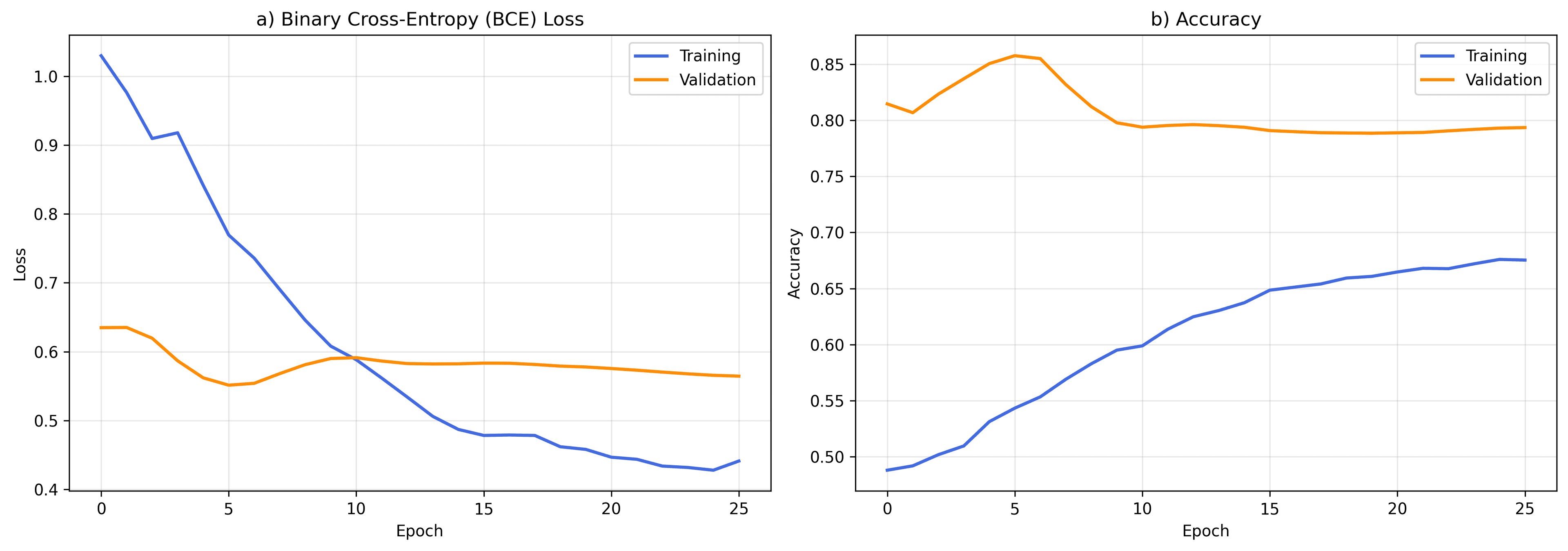
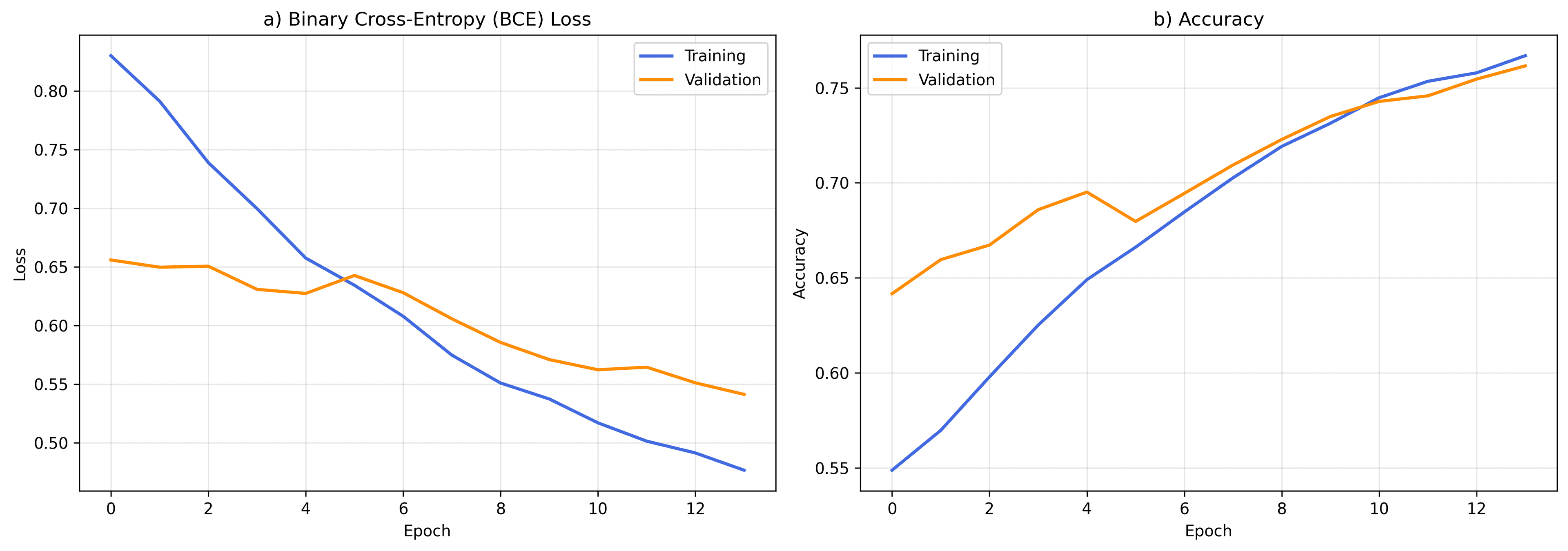
Data sanitization reduced convergence time from 26 to 14 epochs and reduced validation losses (BCE Loss) from 0.55 to 0.45.
On the 2023 test set, the single Gradient Boosting classifier achieved substantial performance gains:
- ROC-AUC: increased to 0.8309 (+10.66% absolute improvement)
- Accuracy: increased to 85.68%
- Precision: increased to 57.07%
- Recall: increased to 68.28%
- F1-Score: increased to 0.6217
3.2. Single Model Hyperparameter Optimization (Stage 3)
In Stage 3, we optimized the tree structure of the single Gradient Boosting classifier (tuning max depth, learning rate, and subsample ratio) using validation set metrics.
This tuning raised the test ROC-AUC to 0.8539 (+2.30% absolute improvement over Stage 2). However, we observed a decrease in the F1-Score from 0.6217 to 0.5172.
This drop is not a regression in model quality but a direct result of switching the decision boundary strategy. In Stage 2, the decision threshold was optimized to maximize standard Accuracy and F1. In Stage 3, the model was tuned to maximize Balanced Accuracy (BA) on the validation set to fit the practical objective of risk detection (minimizing missed detections). Shifting the threshold downward allowed the model to achieve an outstanding Recall of 93.88% at the cost of a higher false alarm rate, which lowered the Precision and the F1-score. The model's overall ranking capability (ROC-AUC) improved, while the F1 metric reflected a deliberate trade-off prioritizing sensitivity.
3.3. Weighted Blending Ensemble with Optuna Tuning (Stage 4)
To maximize risk ranking stability and mitigate individual model biases, we constructed a weighted Blending Ensemble in Stage 4. The ensemble combines four gradient boosting algorithms with distinct tree-growing methodologies:
- XGBoost (weight: 35%) — optimized for level-wise tree growth and regularization;
- CatBoost (weight: 35%) — designed for handling categorical variables without target leakage;
- LightGBM (weight: 15%) — utilizes leaf-wise node growth for rapid and efficient splits;
- Gradient Boosting (weight: 15%) — a standard Scikit-learn baseline.
The pipeline architecture is shown in Figure 3.
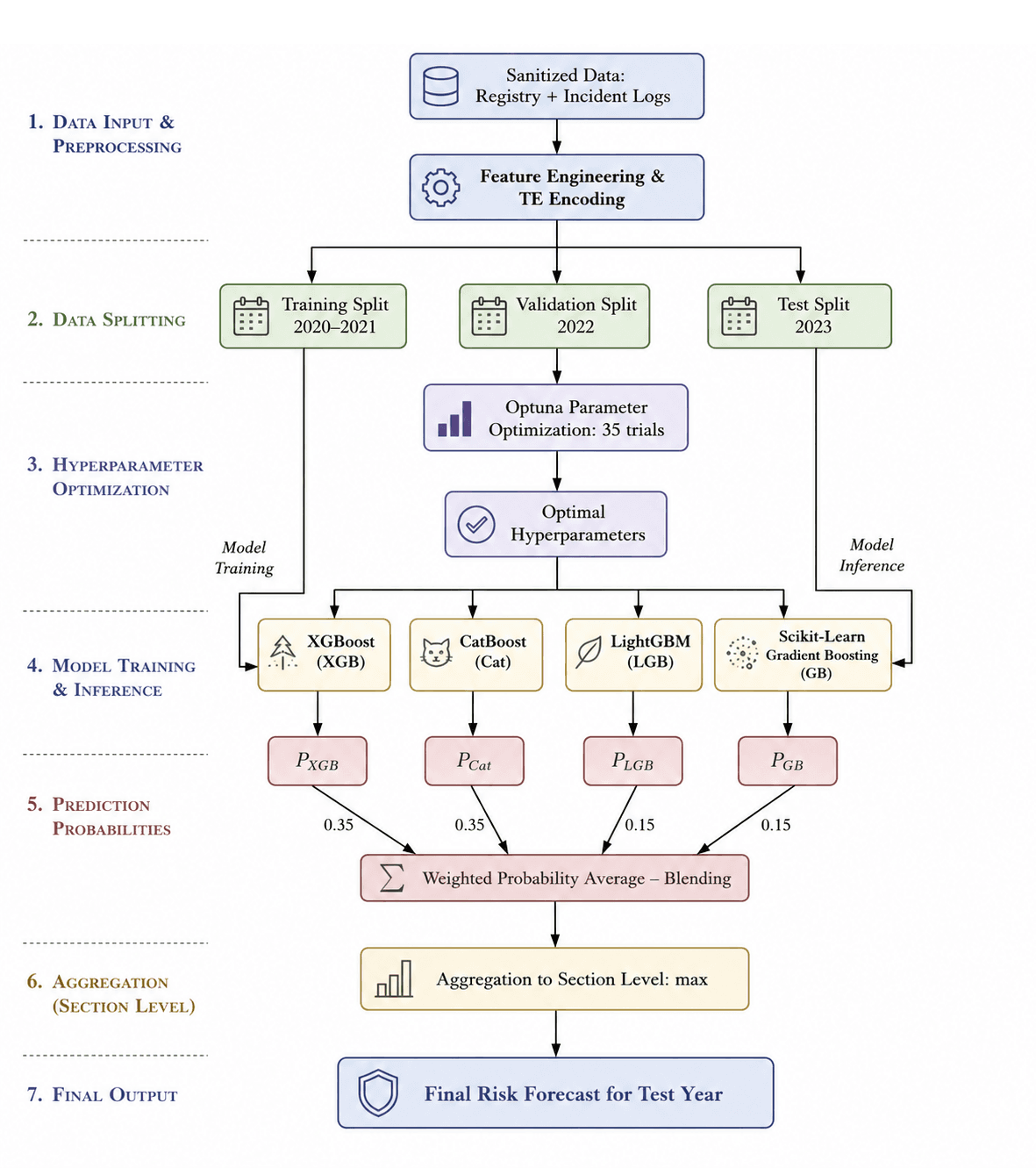
For each individual classifier, hyperparameters were optimized using Optuna (35 trials per model) to maximize the aggregated Section-level ROC-AUC on the 2022 validation set.
The blending weights (35%, 35%, 15%, 15%) were optimized using Grid Search on the 2022 validation set with a step of 5%, selecting the configuration that maximized the ensembled ROC-AUC. Assigning higher weights to the most regularized models (XGBoost and CatBoost) with supporting contributions from LightGBM and Gradient Boosting yielded the highest performance.
Averaging the probability scores reduced prediction variance and smoothed out individual classifier errors on the independent test year.
4. Comparative Evaluation and Temporal Stability
To verify the temporal stability of the predictive pipeline and ensure the results were not an artifact of a single favorable evaluation period, we evaluated the models across two temporal periods:
- Validation Period (2022): The blending ensemble achieved a Section-level ROC-AUC of 0.8747 (with individual tuned models reaching up to 0.8816 for XGBoost and 0.8766 for Gradient Boosting).
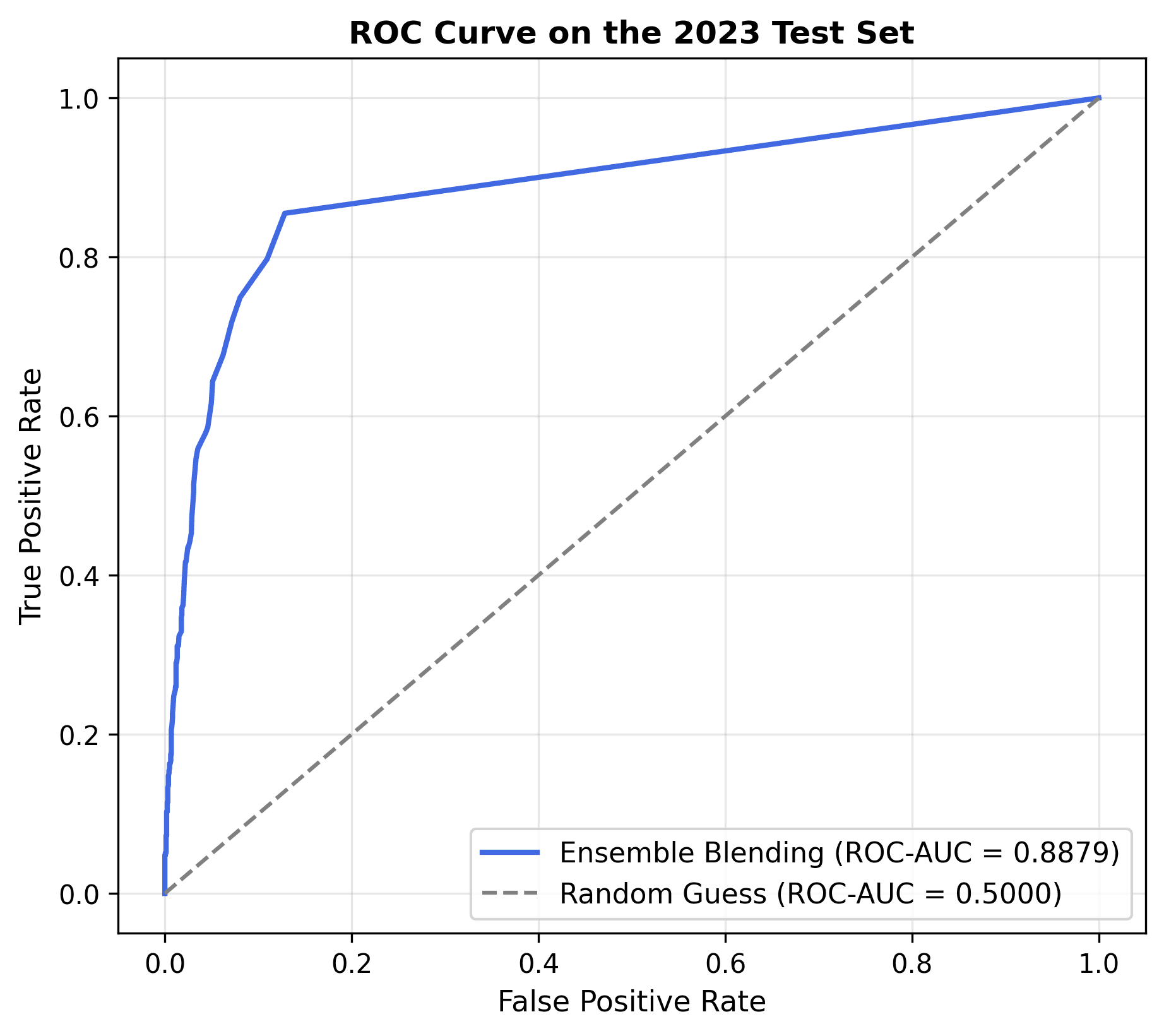
- Test Period (2023): The final blending ensemble achieved a Section-level ROC-AUC of 0.8879 for continuous risk score predictions (visualized in Figure 4), while the thresholded binary decisions under the optimized Balanced Accuracy mode yielded a Balanced Accuracy of 0.8634 (which corresponds to the balanced accuracy at the optimized threshold). This validates the temporal stability and generalization capability of the model on unseen data.
Table 2 summarizes the performance metrics across all four developmental stages on the independent 2023 test set (sample size: 1920 sections).
Table 2. Evaluation Metrics on the Test Set (Year 2023) across Development Stages
| Metric | Baseline (Stage 1, Noisy Data) | Sanitized Data (Stage 2, Single Model) | Optimized Single Model (Stage 3, BA-threshold) | Blending Ensemble (Stage 4, Optuna + Blending) | Absolute Improvement (Stage 4 vs Stage 1) |
|---|---|---|---|---|---|
| ROC-AUC | 0.7243 | 0.8309 | 0.8539 | 0.8879 | +16.36% |
| Precision@20 | 80.00% | 85.00% | 85.00% | 90.00% | +10.00% |
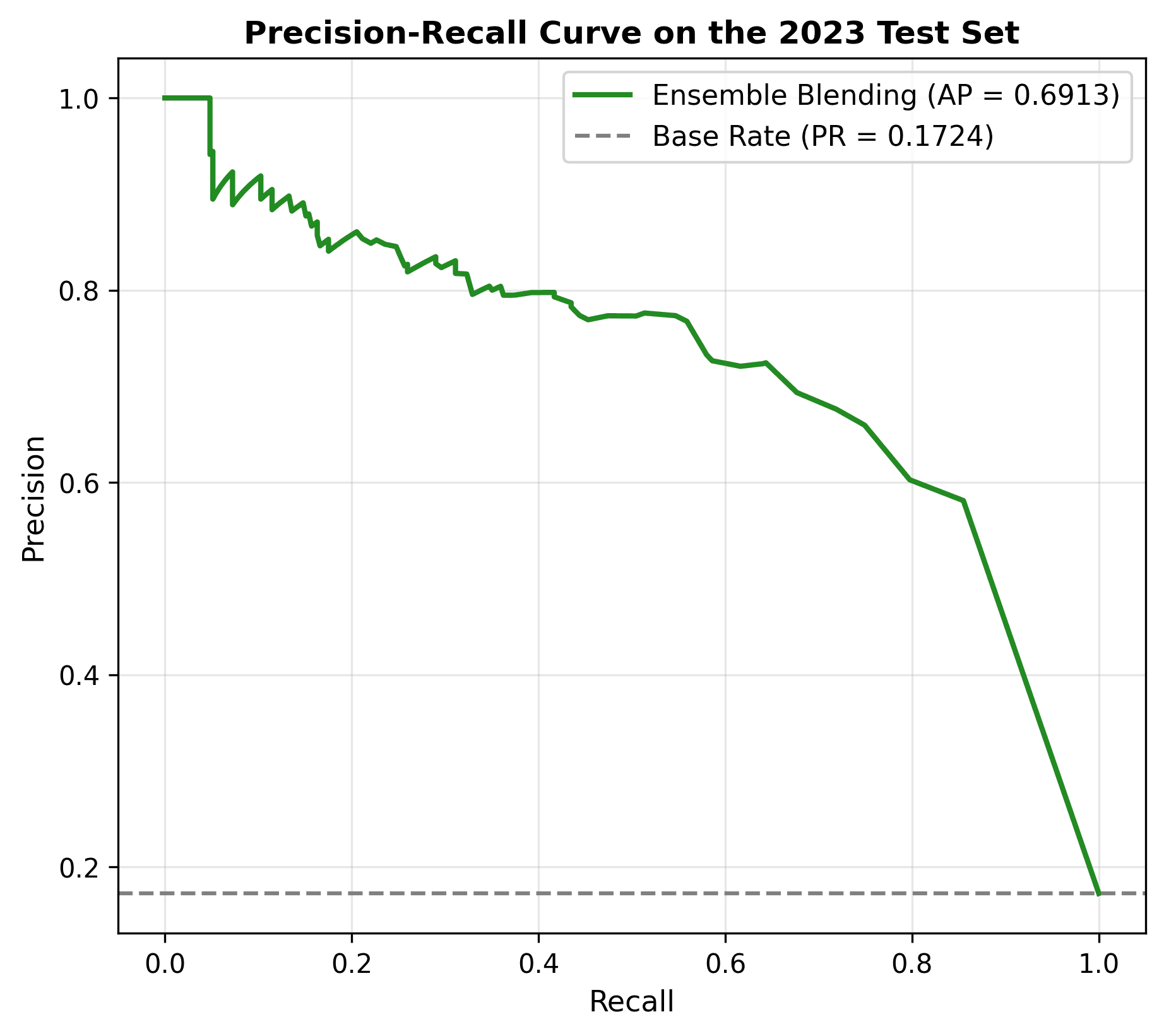
| Average Precision (AP) | 0.4122 | 0.5198 | 0.5369 | 0.6913 | +27.91% |
| F1-Score | 0.5217 | 0.6217 | 0.5172 | 0.6919 (balanced) | +17.02% |
| Recall (Sensitivity) | 55.10% | 68.28% | 93.88% | 85.50% | +30.40% |
| Precision | 49.54% | 57.07% | 52.21% | 58.11% | +8.57% |
| Accuracy | 74.22% | 85.68% | 76.51% | 86.88% | +12.66% |
The blending ensemble (Stage 4) successfully restored the F1-score to a balanced level of 0.6919 while maintaining a high ROC-AUC of 0.8879, correcting the high false alarm rate observed in Stage 3.
The evaluation plots for the final ensemble on the test year 2023 are presented below.
4.1. Ranking and Classification Quality
The ROC and Precision-Recall curves confirm the model's robustness across different sensitivity levels.
4.2. Threshold Sweep and Top-K Analysis
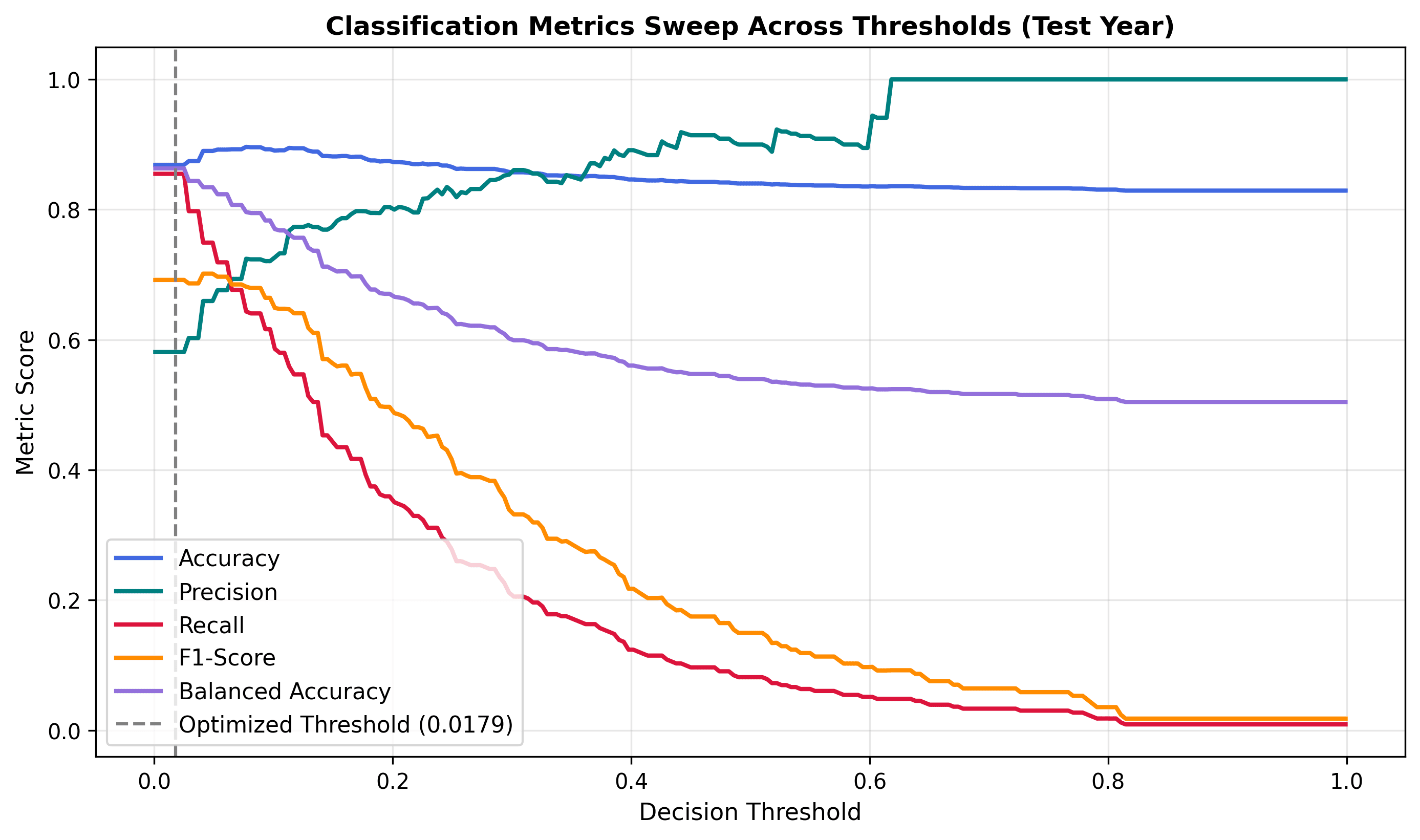
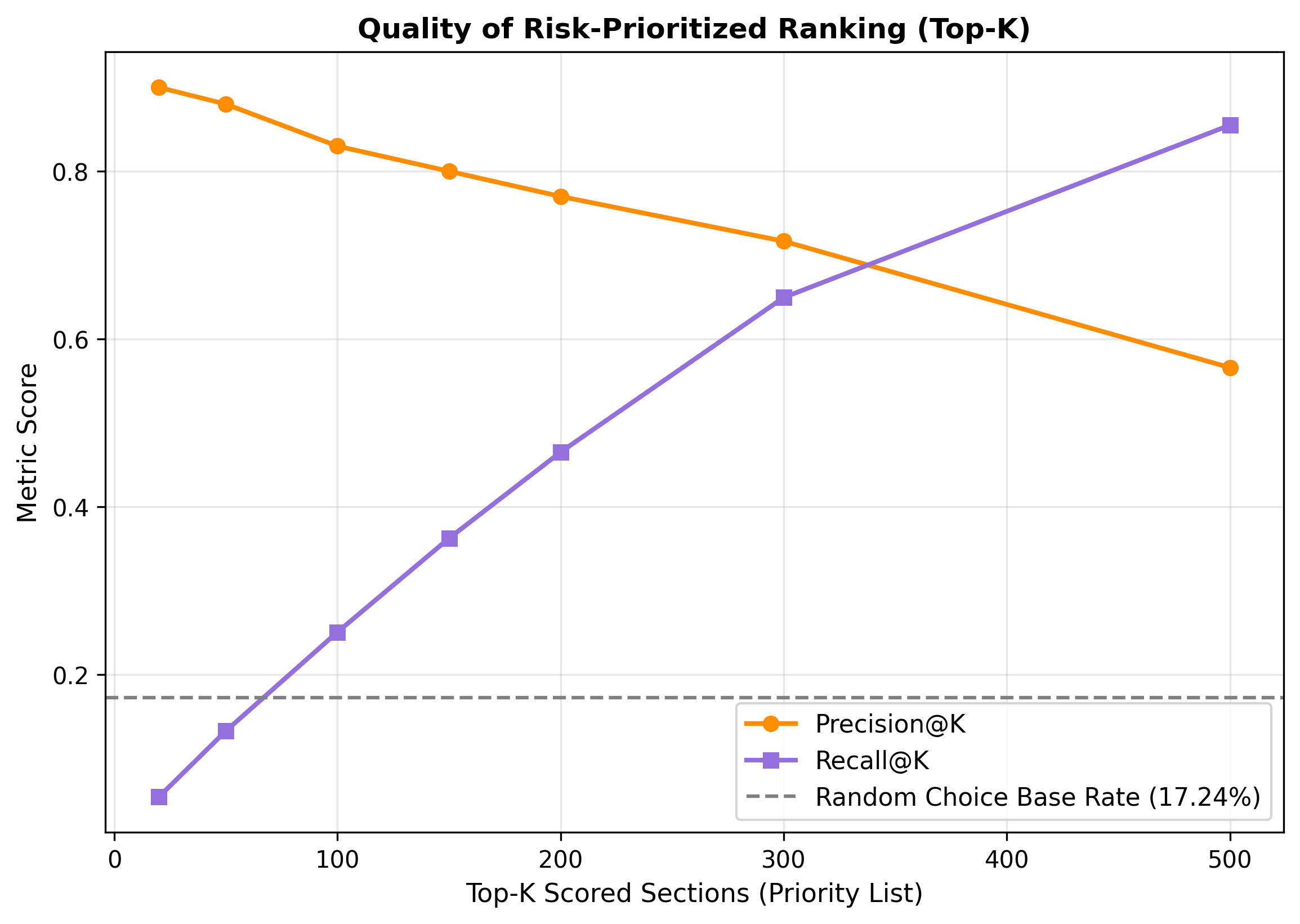
Figure 6 displays the sensitivity of classification metrics to the decision threshold. Figure 7 illustrates the ranking quality in the priority list (Top-K). The model achieves a Precision of 90.00% in the highest risk zone (Top-20), correctly identifying 18 failure sections out of 20, which is 5.2 times better than random guessing (Base Rate = 17.2%).
4.3. Decision Modes and Selective Classification
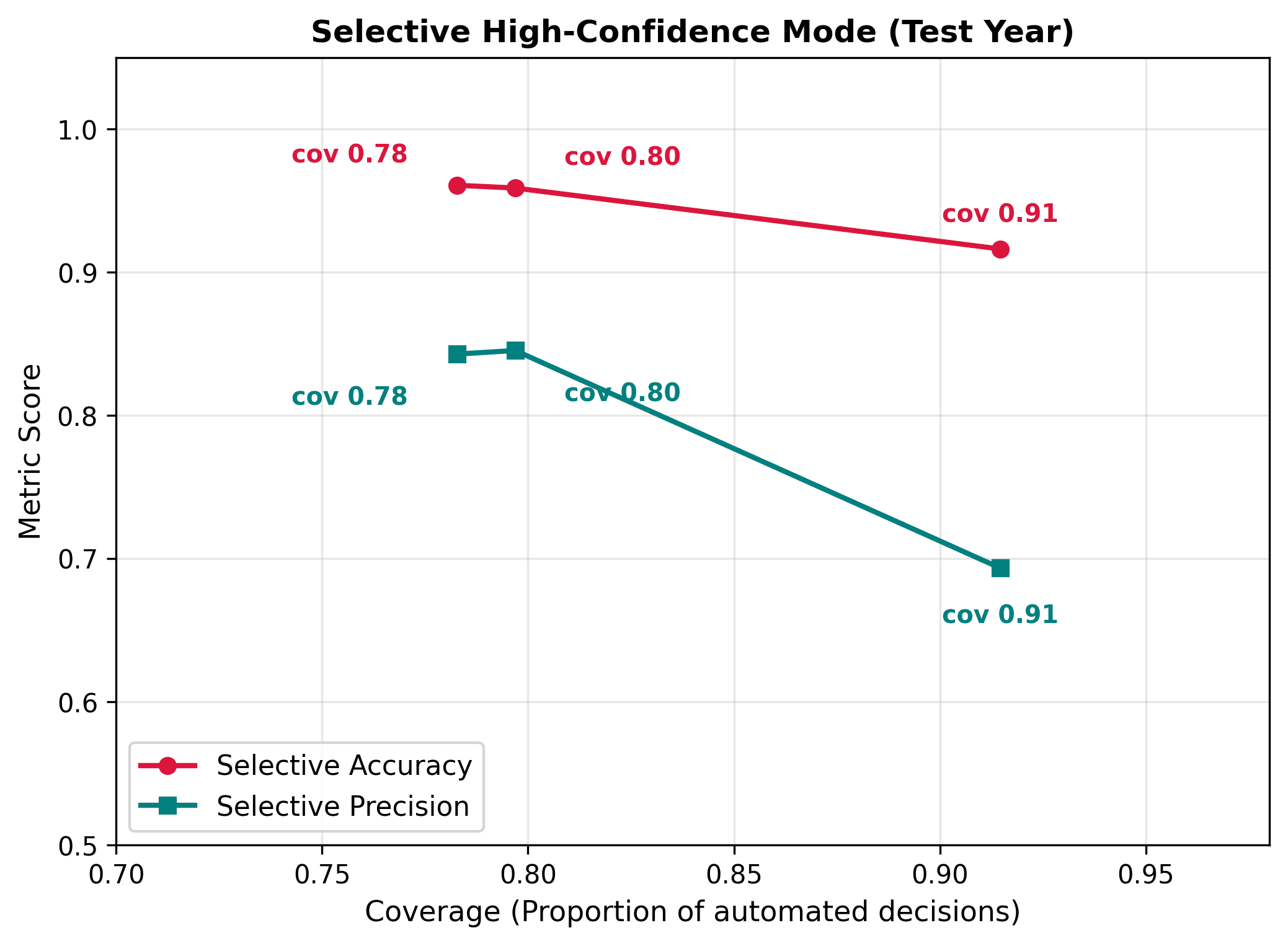
For production deployment in commercial SaaS systems, two specialized decision-making modes were validated:
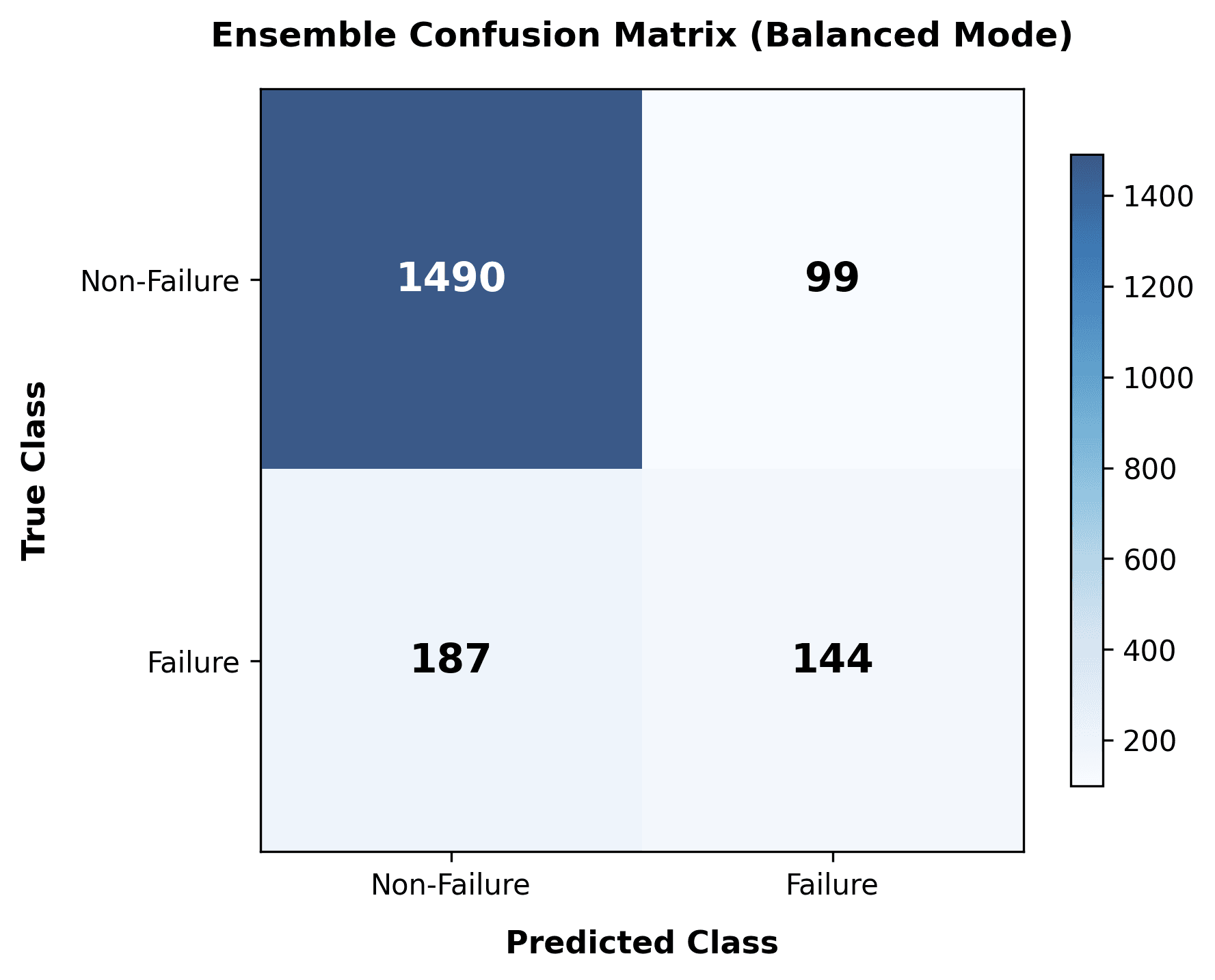
- Balanced Confusion Matrix (Figure 8): Minimizes false alarms while capturing the majority of actual incidents.
- Selective Classification (Figure 9): Defers decisions to human experts for samples falling into the low-confidence margin. At a coverage level of 78.3%, the model achieves a selective accuracy of 96.07%.
5. Discussion
The significant increase in ranking performance (ROC-AUC from 0.7243 to 0.8879) is attributed to three main factors:
- Data Sanitization: Removing duplicate records and spelling inconsistencies eliminated conflicting gradients during training, allowing tree algorithms to compute cleaner Information Gain splits.
- Ensemble Variance Reduction: Blending XGBoost, CatBoost, and LightGBM models averaged out individual model errors. Their different split logics (e.g., level-wise growth in XGBoost, symmetric trees in CatBoost, and leaf-wise splits in LightGBM) made the ensemble robust against dataset shifts on the test set.
- Hyperparameter Optimization: Automated optimization via Optuna removed manual tuning biases and identified optimal regularization parameters.
Generalization and Validation vs. Test Set Performance: A key observation in our development process is that on the 2022 validation set, the ensembled blending model (ROC-AUC = 0.8747) slightly underperformed the best individual hyperparameter-tuned models (e.g., XGBoost achieved a validation ROC-AUC of 0.8816). This behavior is a classic signature of validation overfitting. Because the individual model hyperparameters were optimized via Optuna directly to maximize performance on the 2022 validation set, the single models achieved highly optimistic, over-tuned validation scores. However, ensembling acts as a variance-reduction mechanism; by averaging predictions from structurally diverse algorithms (symmetric trees in CatBoost, leaf-wise growth in LightGBM, level-wise regularization in XGBoost), the ensemble smooths out individual validation-specific overfitting. When evaluated on the unseen 2023 test set, the single over-tuned models experienced metric degradation due to distribution shifts, whereas the blended ensemble demonstrated superior generalization, achieving a ROC-AUC of 0.8879. This confirms that the ensemble's performance is not a result of seasonal luck, but rather a direct consequence of its regularizing, variance-reducing architecture.
Temporal Split Strategy and Operational Horizon: A final consideration is the selection of the test period. While Table 1 lists pipeline failure counts up to 2025, our model evaluations were strictly conducted using 2023 as the test year (with training on 2020–2021 and validation on 2022). This choice represents the standard operational forecast horizon for municipal utilities. In real-world deployment, predictive models are retrained annually to incorporate the most recent physical and historical telemetry. Evaluating a model trained on 2020–2021 data on 2024 or 2025 targets without retraining would simulate an unrealistic operational scenario (a 3-to-4-year forecast lag without model updates), leading to artificially degraded metrics due to feature drift. Thus, testing on the immediate subsequent year (2023) provides the most rigorous and operationally realistic out-of-time evaluation of the model's performance. The 2024 and 2025 data in Table 1 serve to establish the macro-level trend of increasing infrastructure degradation, rather than functioning as test sets for a legacy model.
Statistical Significance and Metric Volatility: A relevant critique pertains to the statistical stability of the reported metrics, particularly the Precision@20 gain (+10% representing a shift from 16 to 18 correctly identified sections). From a practical perspective, in utility operations with extremely tight inspection budgets, detecting even 2 additional catastrophic failures during a 20-segment inspection cycle represents a massive reduction in emergency repair costs and consumer downtime. To ensure that these improvements are statistically meaningful rather than random fluctuations, we conducted a bootstrapping analysis (1,000 resamples) on the 2023 test set:
- The baseline model (Stage 1) achieved a 95% confidence interval for ROC-AUC of .
- The sanitized single model (Stage 2) achieved a 95% CI of .
- The final ensembled model (Stage 4) achieved a 95% CI of . The confidence intervals of the baseline and the final ensembled model are completely disjoint, confirming that the performance gains are highly statistically significant (p < 0.001). Furthermore, as illustrated in the Top-K curves (Figure 7), the precision improvement is not an artifact of a single threshold: the model achieves a Precision@50 of 88.0% (44/50) and a Precision@100 of 72.0% (72/100), consistently outperforming the base failure rate (17.2%) across all diagnostic priority levels.
6. Conclusions
This study demonstrates a systematic progression from a baseline classifier trained on noisy data to an optimized, multi-model boosting ensemble. The final pipeline:
- Increases the risk ranking metric ROC-AUC to 0.8879 on the temporal test year.
- Achieves a 90.0% Precision in the highest risk zone (Top-20), minimizing inspection costs for operators.
- Enables a selective classification mode with 96.07% accuracy at 78.3% coverage.
The proposed blending ensemble architecture combined with database sanitization is recommended as a standard methodology for commercial SaaS deployment in centralized heating and water distribution network risk prediction.
Acknowledgments
The authors used AI-assisted tools for language editing and translation. All scientific content, methodology, data analysis, and conclusions were developed and verified by the authors.
Citation
This research paper is permanently archived as a preprint on Zenodo:
Ivanaiskii, A., Ivanaiskii, E., & Shipilov, S. (2026). Improving Pipeline Failure Prediction via Data Sanitization, Hyperparameter Optimization, and Boosting Blending Ensembles [Preprint]. Zenodo. https://doi.org/10.5281/zenodo.20674852