RIVIXI
LAB
RIVIXI
LAB
RIVIXI
LAB
← Rivixi HomeResearch Lab

Rivixi Research Lab

Applied AI. Published Proof.

Peer-reviewed methodologies, production case studies, and technical whitepapers from the team turning research into measurable ROI.

Hybrid risk-scoring architecture for pipeline section prioritization before the heating season

FIELD GUIDE

Pre-Winter Assessment: District Heating Network Readiness

Structured pre-winter risk assessment framework for municipal district heating networks — prioritizing sections for inspection before the heating season.

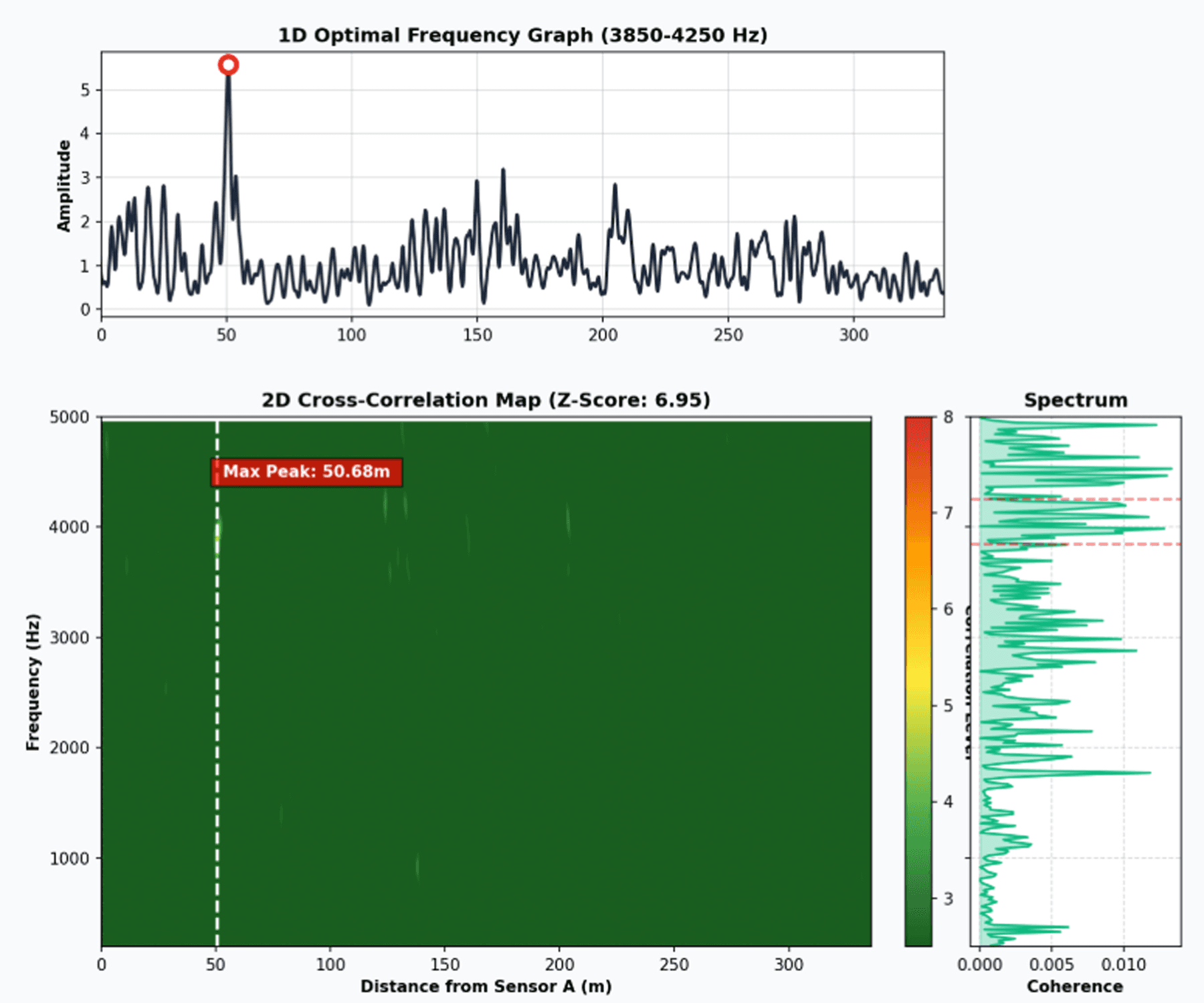
RIVIXI 2D cross-correlation map showing a false peak at 50.68 m with Z-Score 6.95 on a flooded heating pipeline

CASE STUDY

False Positive in Acoustic Leak Detection of a Flooded Heating Pipeline: A Case Study in Hybrid AI Diagnostics

When ensemble AI models and a third-party correlator all flag a leak on a flooded 336 m district heating line, hybrid PNR (8.64) and phase coherence (0.4%) produce the correct no-excavation verdict.

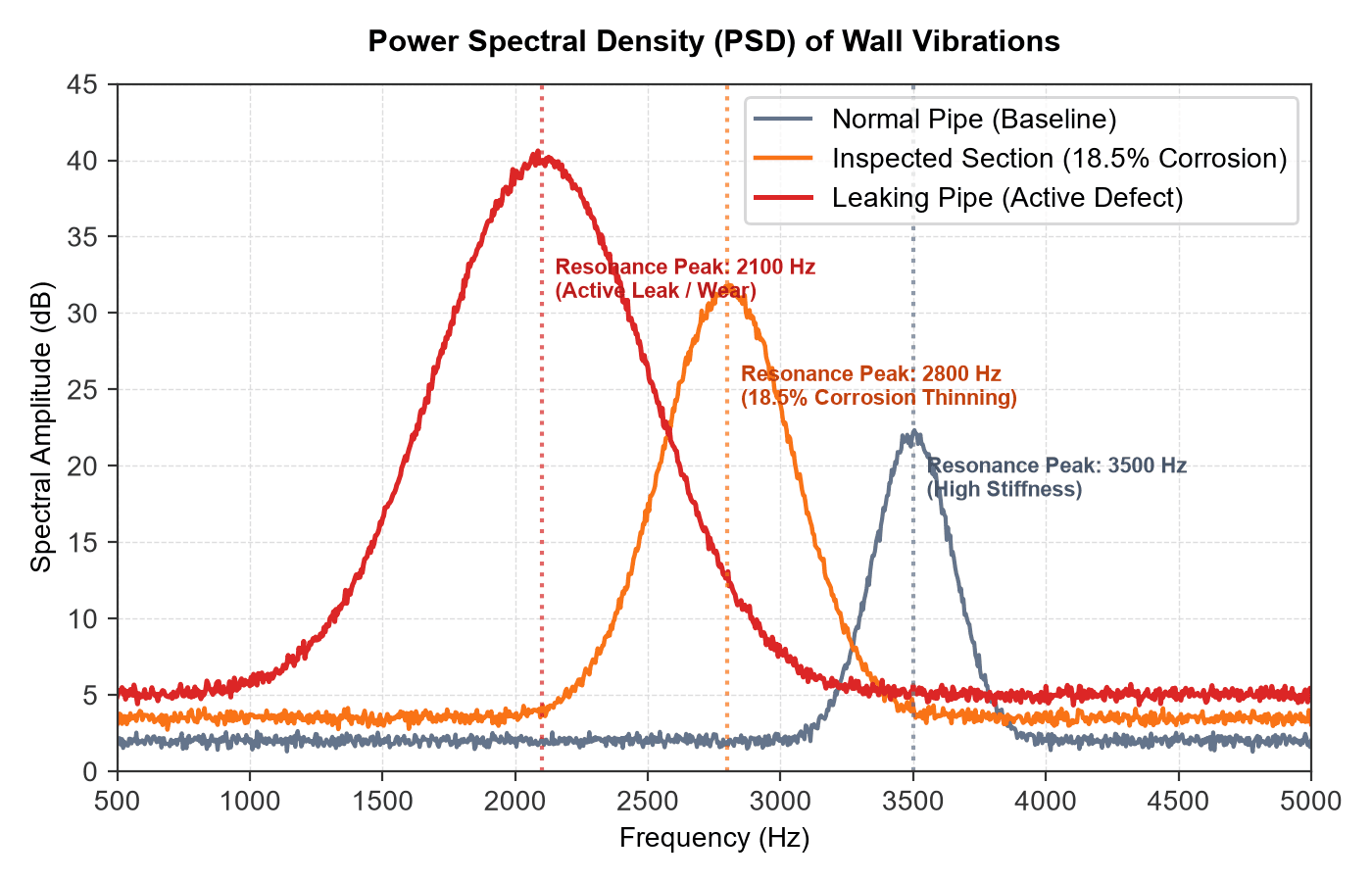
Power Spectral Density curves showing resonance frequency shift from 3500 Hz (normal pipe) to 2800 Hz (corroded section) and 2100 Hz (leaking pipe)

RESEARCH PAPER

Vibroacoustic Diagnostics of Degradation and Wall Thinning in Pressurized Pipelines: From Physical Wave Propagation Models to a Hybrid DSP-Deep Learning Pipeline

Field-validated RIVIXI Diagnose module maps corrosive wall thinning (10–18.5% loss) on a ø426×7 mm district heating line — converging with UT measurements within 3.5% while ruling out active leakage.

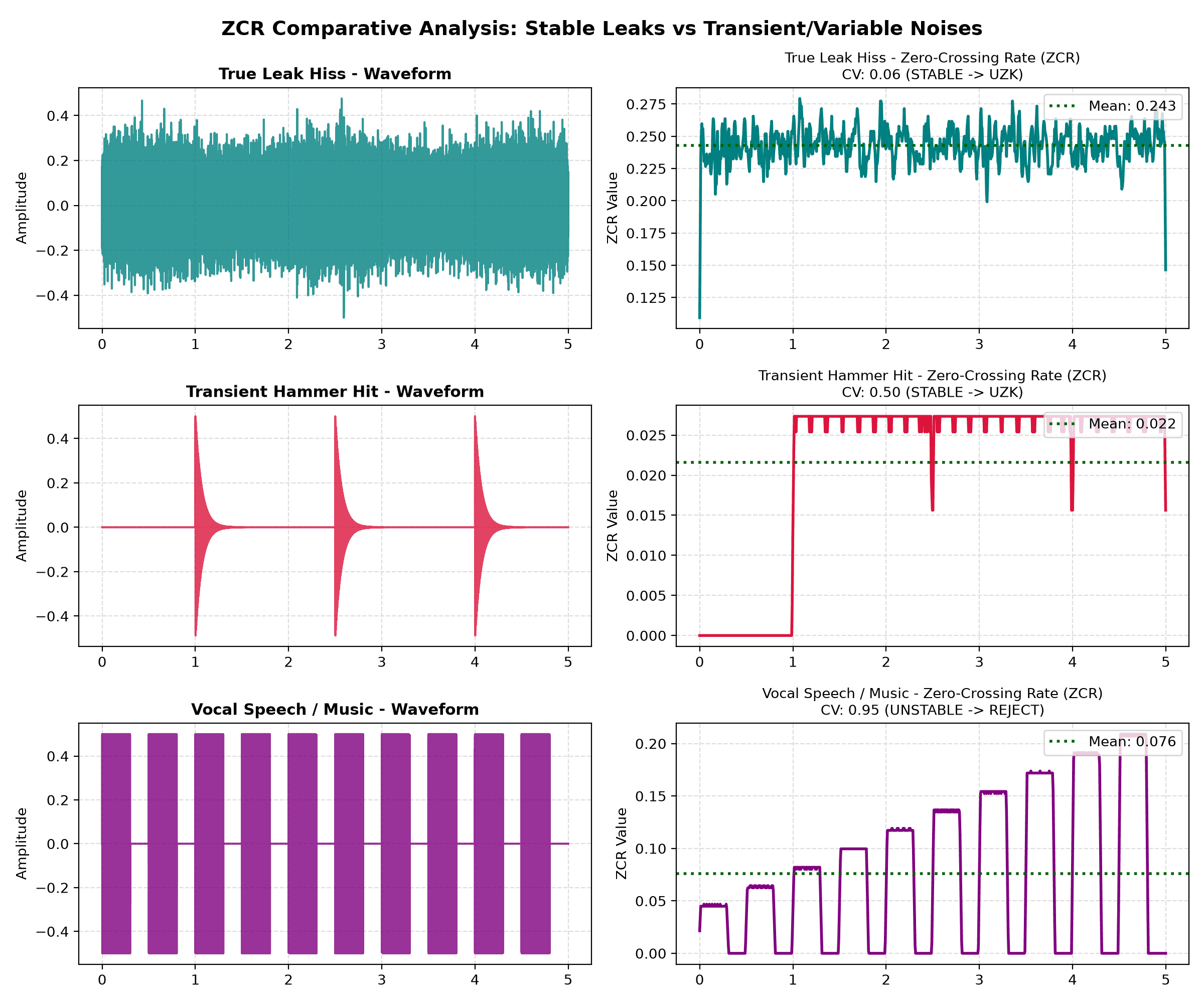
Comparative analysis of acoustic waveforms and ZCR timelines for leak hiss, hammer impact, and speech interference

RESEARCH PAPER

Utilizing Zero-Crossing Rate (ZCR) for Acoustic Leak Detection in Pipelines: From Empirical Models to a Physically Grounded DSP Pipeline

How Zero-Crossing Rate (ZCR) verification in RIVIXI AI v1.3 distinguishes hydrodynamic leak hiss from impulsive mechanical false alarms — reducing FPR by 13.25% on 113 field recordings.

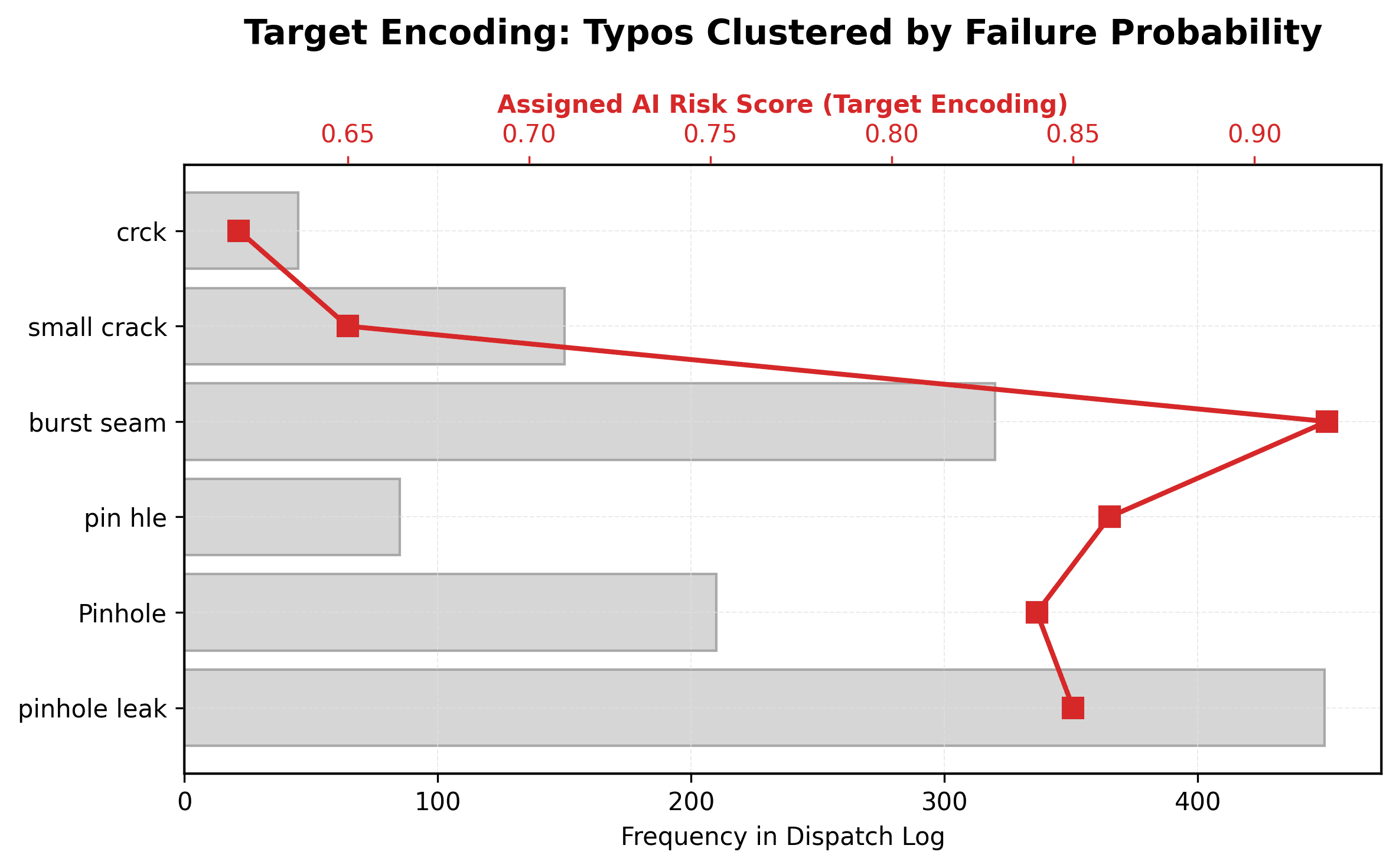
Target Encoding of typos and distinct defect types in utility maintenance logs

CASE STUDY

Overcoming Data Chaos: How Machine Learning Compensates for Inaccurate Utility Records

How Decision Fusion algorithms process messy utility maintenance logs and GIS records to achieve 93.88% Recall on pre-failure zone detection.

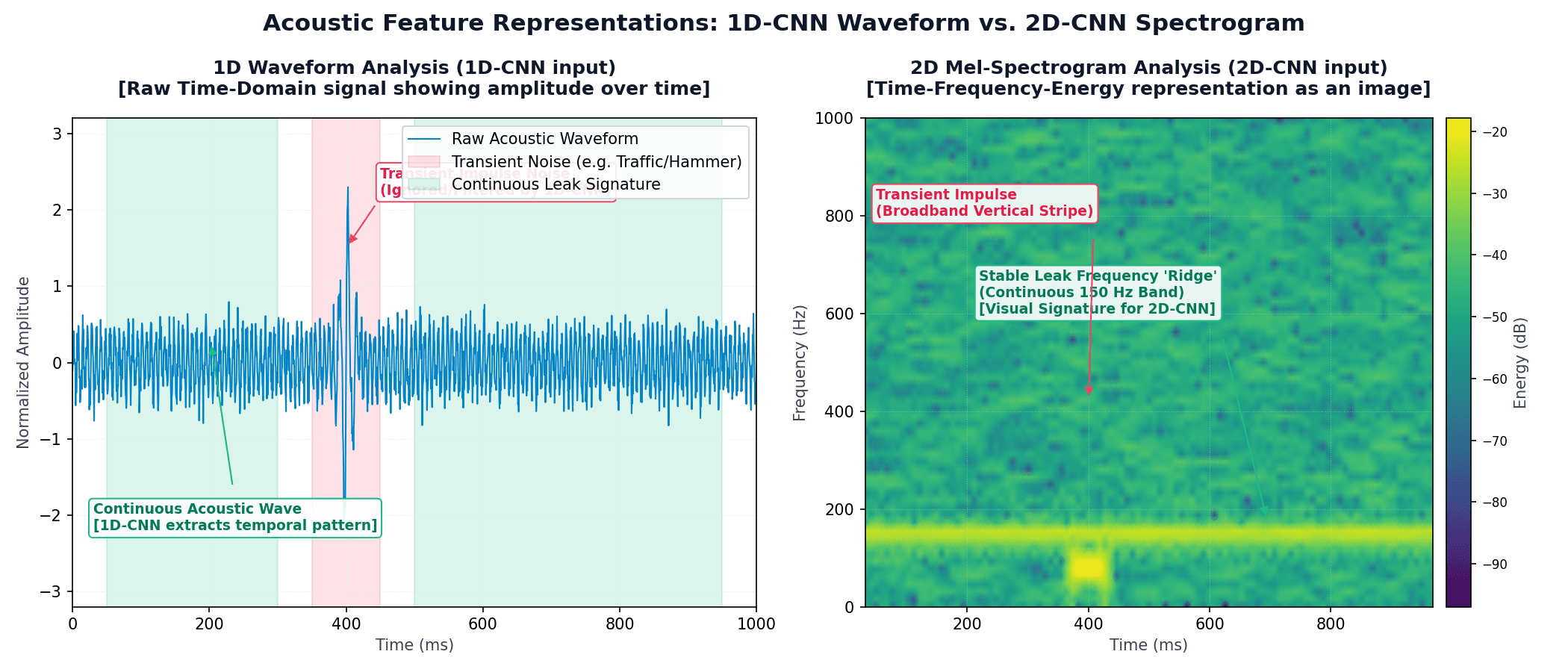
Acoustic feature representations for RIVIXI AI waveform and spectrogram ensemble neural network analysis

RESEARCH PAPER

Topological AI-Analysis vs. Classical Cross-Correlation: Overcoming Legacy Defectoscope Vulnerabilities

How modern neural network algorithms eliminate the pipeline false alarm scalability barrier inherent in the direct reengineering of classical non-destructive testing.

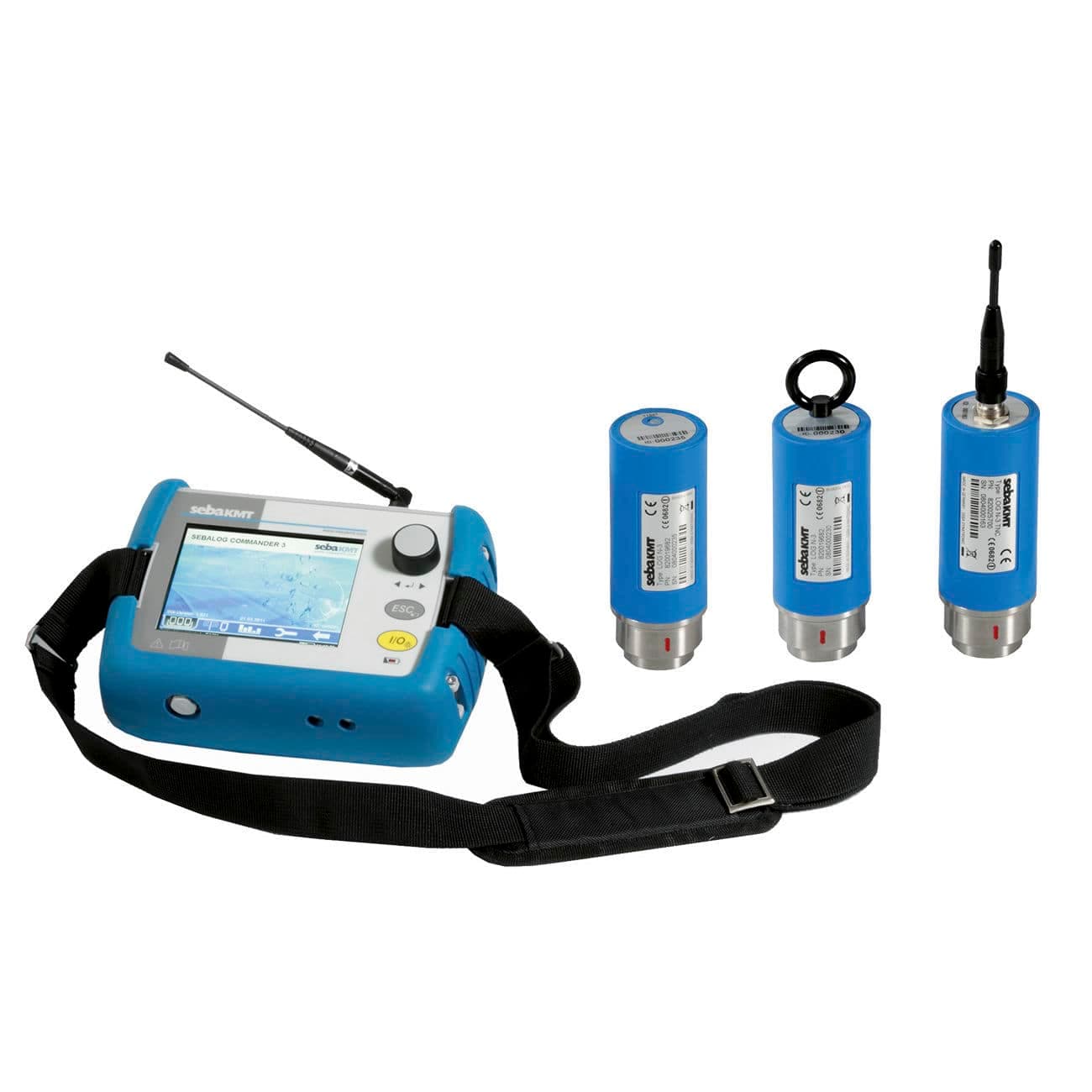
External view of the SebaKMT SebaLog N-3 measurement installation (Megger, Germany)

RESEARCH PAPER

Adapting an Ultrasonic Diagnostics AI Platform to Legacy Hardware: Dynamic DSP Pipeline Reengineering

How Rivixi Lab overcame Nyquist limit collisions and legacy sensor constraints to integrate SebaKMT and Kaskad-3 detectors into the RIVIXI AI v1.3 SaaS platform.

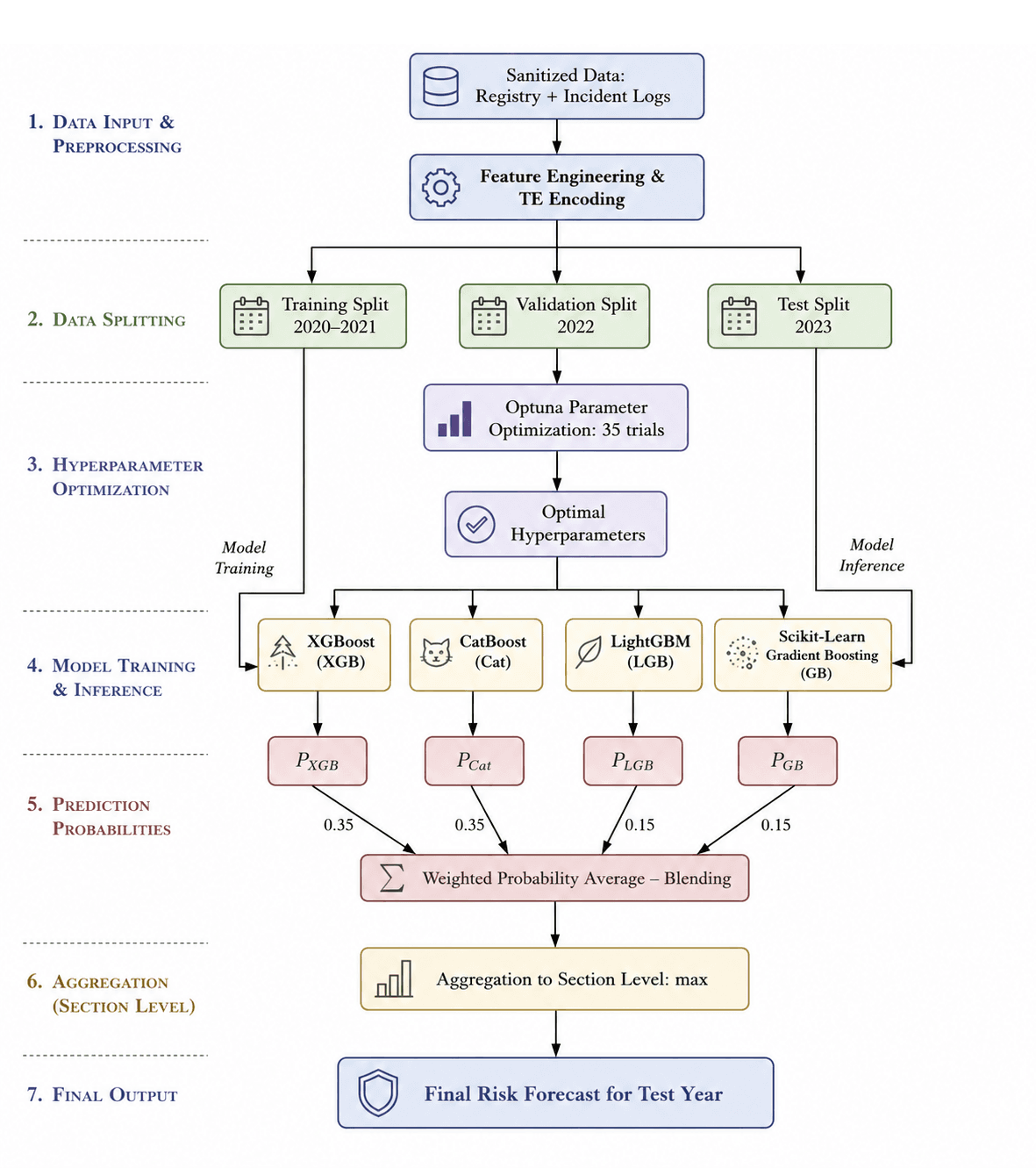
Architecture of the Blending Ensemble Pipeline with Optuna Tuning

RESEARCH PAPER

Improving Pipeline Failure Prediction via Data Sanitization, Hyperparameter Optimization, and Boosting Blending Ensembles

How a multi-model blending ensemble combined with rigorous data sanitization improved district heating and water pipeline risk prediction, achieving a ROC-AUC of 0.8879.

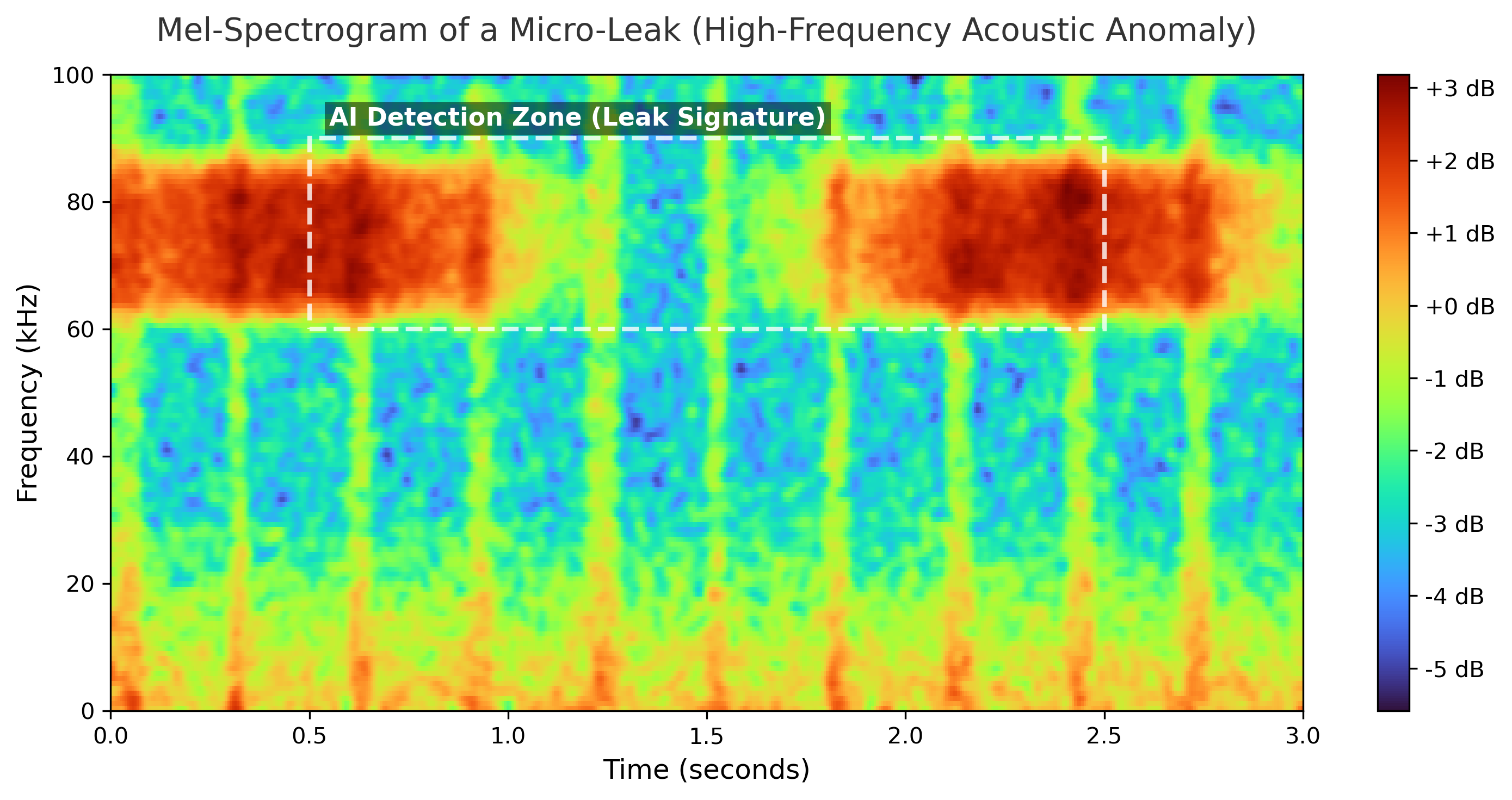
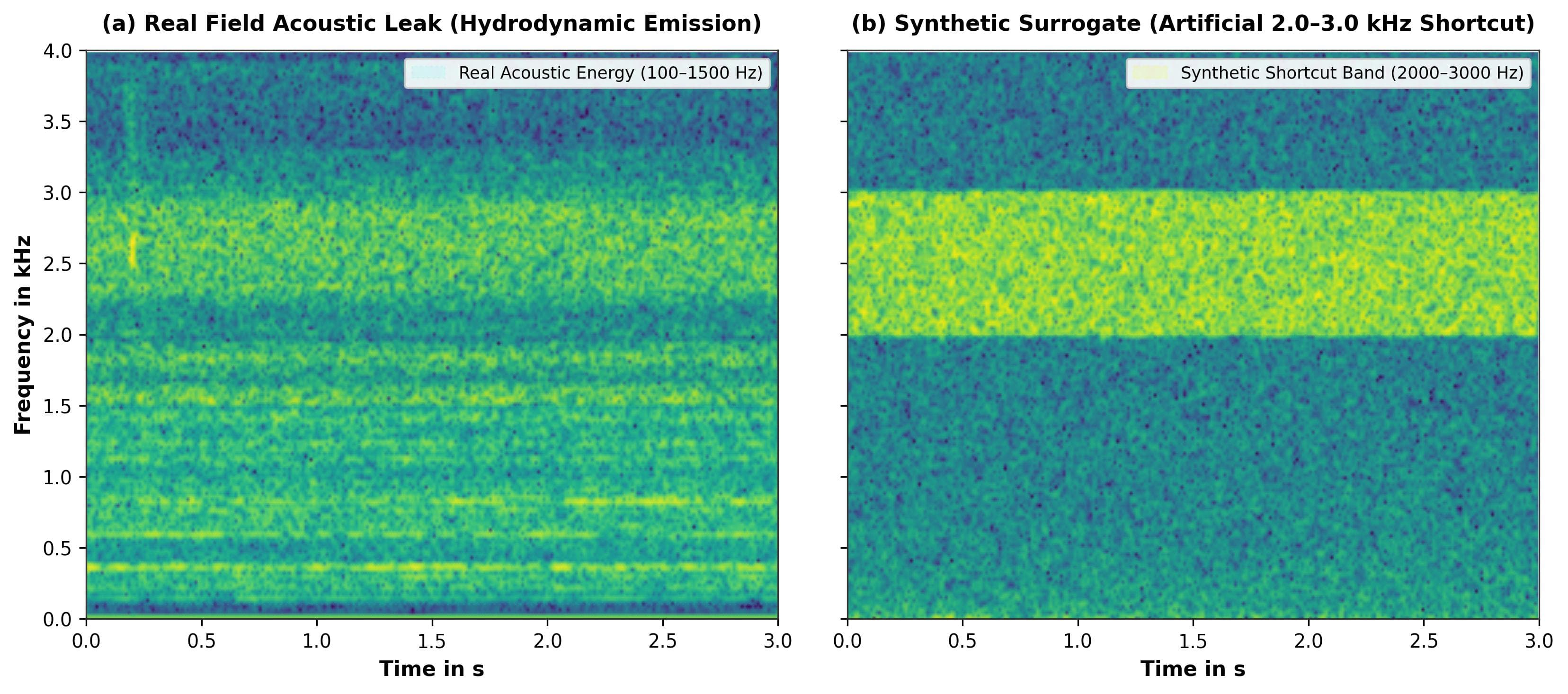
Mel-Spectrogram showing the continuous high-frequency energy typical of a micro-leak

RESEARCH PAPER

Seeing Sound: A Computer Vision Approach to Ultrasonic Leak Detection in Industrial Pipelines

How converting ultrasonic signals into Mel-Spectrograms and applying ensemble neural networks overcame the limitations of traditional heuristics in noisy industrial environments.

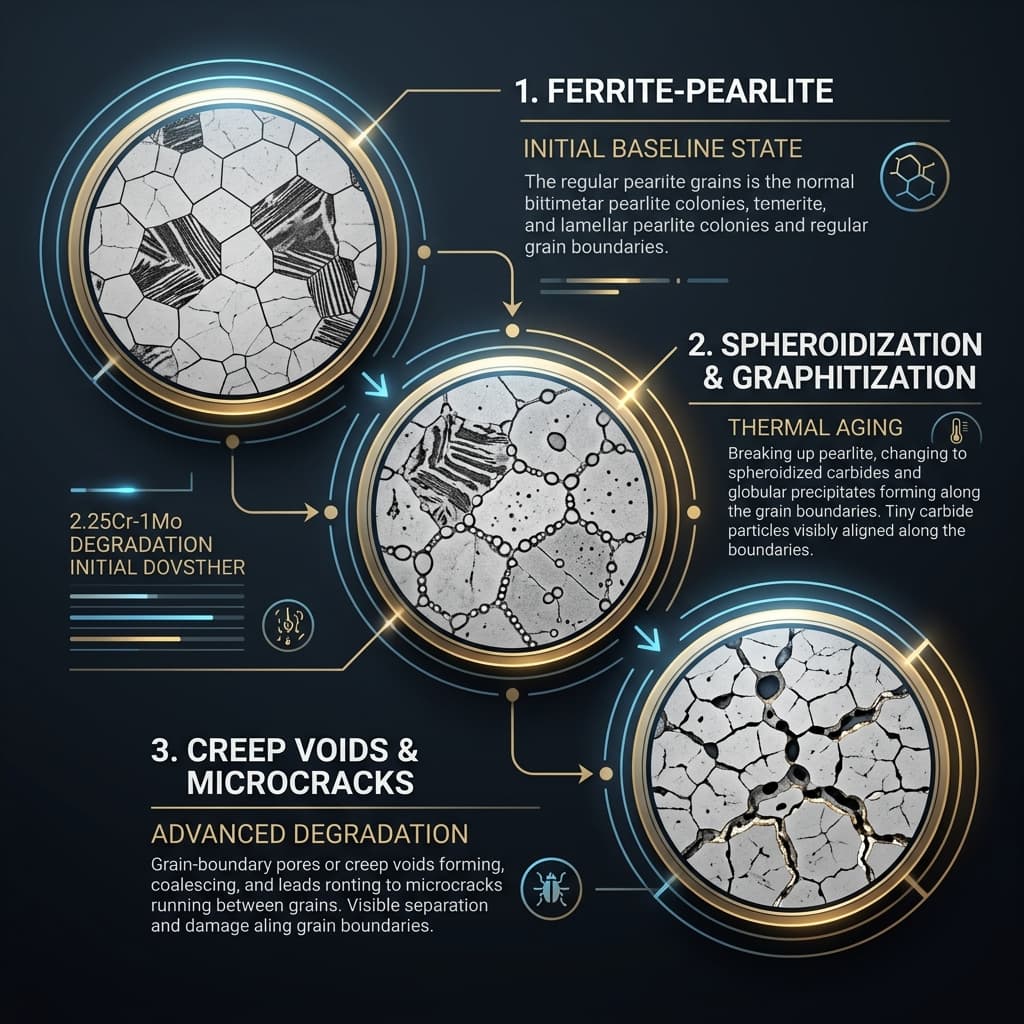
2.25Cr-1Mo steel microstructure degradation stages

RESEARCH PAPER

AI vs. Metallography: Accelerating Outage Inspection in 2.25Cr-1Mo Steel Pipelines via MBN-RVX-AI

MBN-RVX-AI replaces slow replica metallography during outages with cloud AI screening—over 92% accuracy on 2.25Cr-1Mo steel microstructural degradation.

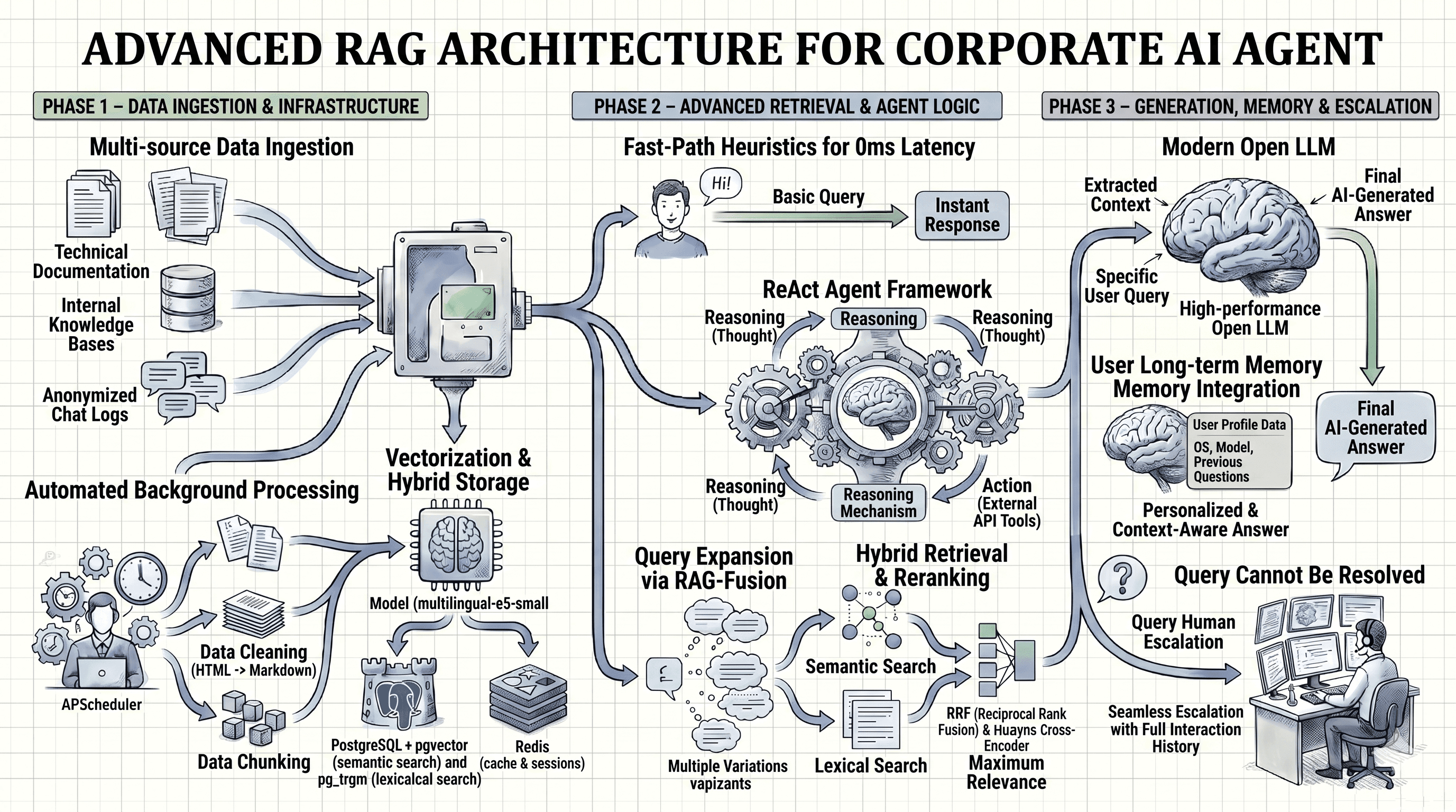
ProstorHelp Advanced RAG and agentic architecture diagram

CASE STUDY

Autonomous AI Agents in Tech Support: The ProstorHelp Architecture

How moving from scripted chatbots to autonomous ReAct agents with Advanced RAG enables zero-hallucination tech support for complex enterprise software.

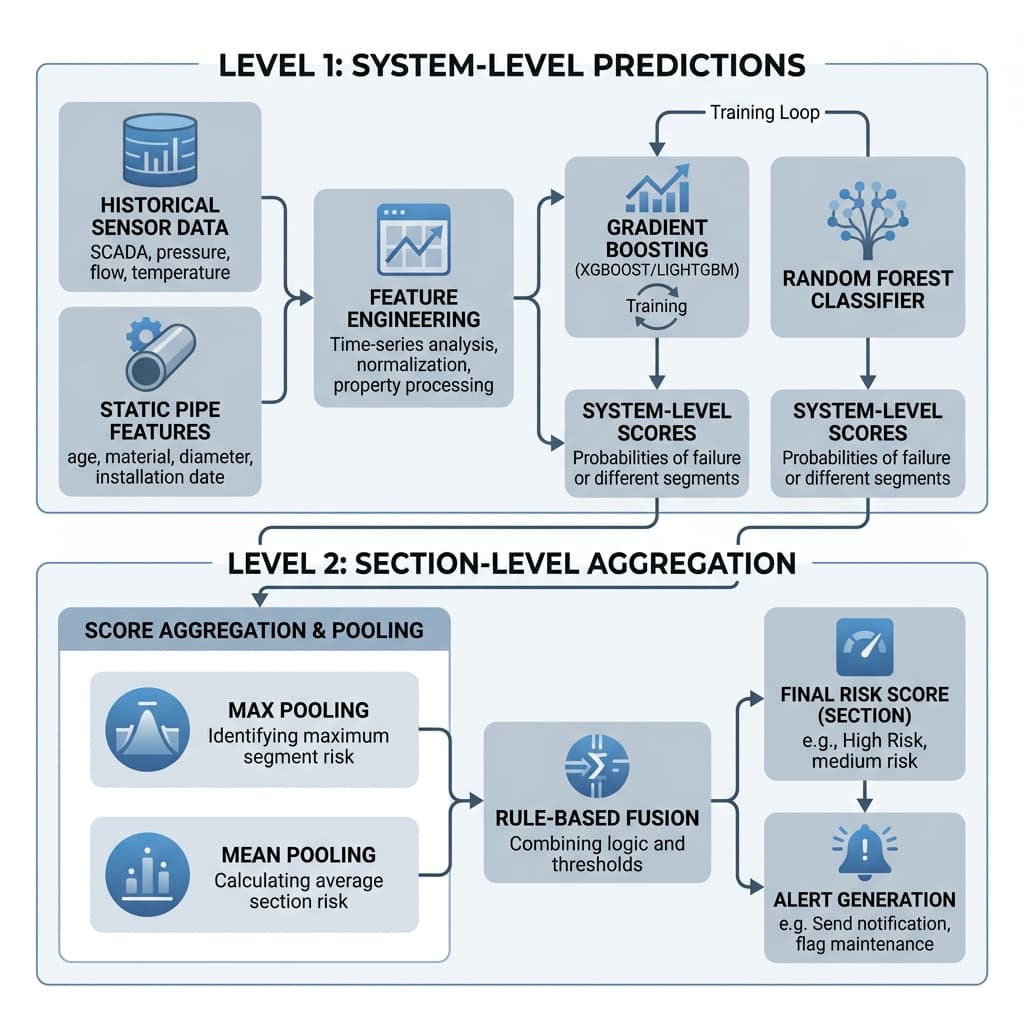
Two-level hybrid risk-scoring architecture for pipeline failure prediction

RESEARCH PAPER

Application of Hybrid ML Models for Pipeline Failure Prediction

A hybrid machine learning architecture combining static pipeline characteristics with temporal accident history to forecast failures in urban heat and water supply systems.